Embark on a journey through the world of architectural visualization, where creativity meets precision. From realistic renderings to innovative virtual reality applications, this captivating field offers a glimpse into the future of design.
Delve into the intricacies of architectural visualization as we unveil the tools, techniques, and trends shaping this dynamic industry.
Overview of Architectural Visualization
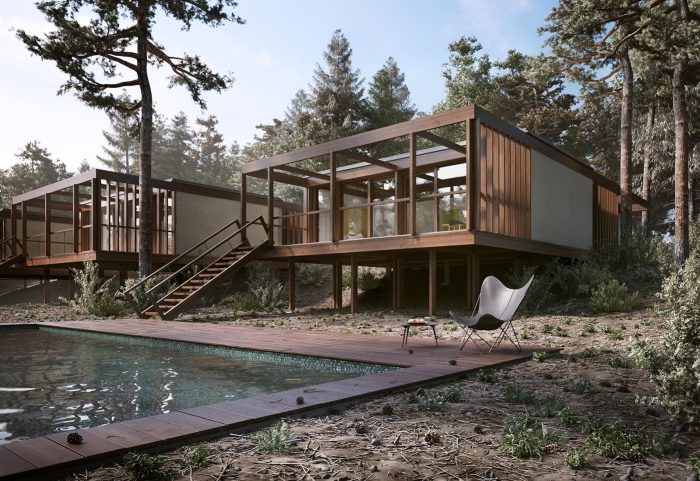
Architectural visualization is the process of creating digital representations of architectural designs before they are built in reality. It plays a crucial role in the design process by allowing architects, designers, and clients to visualize and understand the final look of a project.
Importance of Architectural Visualization
Architectural visualization is essential in the design process as it helps stakeholders to communicate ideas effectively, make informed decisions, and identify potential issues early on. By providing realistic visualizations, it enhances the overall design development and ensures that the final outcome meets the expectations of all parties involved.
Examples of Architectural Visualization in Different Industries
- In the architectural industry, 3D renderings and virtual reality walkthroughs are commonly used to showcase designs to clients and investors.
- In real estate, architectural visualization is employed to market properties and present potential buyers with a clear vision of the space.
- In urban planning, visualization techniques are utilized to simulate the impact of proposed developments on the surrounding environment.
Evolution of Architectural Visualization Techniques
Architectural visualization has evolved significantly over time, with advancements in technology driving the creation of more realistic and immersive visualizations. From hand-drawn sketches and physical models to sophisticated 3D modeling software and virtual reality tools, the field has come a long way in providing accurate representations of architectural designs.
Types of Architectural Visualization
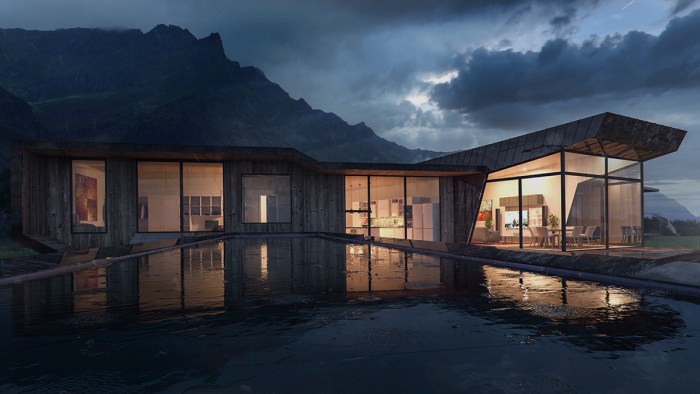
In the world of architectural visualization, there are various types that serve different purposes and cater to different needs. Let's explore the key distinctions between 2D and 3D visualization, the use of renderings, animations, and virtual reality, as well as the comparison between photorealistic and stylized representations.
2D vs. 3D Architectural Visualization
When it comes to architectural visualization, 2D and 3D serve different functions. 2D visualization typically includes floor plans, elevations, and sections, providing a more technical and schematic representation of a design. On the other hand, 3D visualization offers a more immersive and realistic view of the project, allowing clients and stakeholders to better understand the spatial qualities and design intent.
Renderings, Animations, and Virtual Reality
Renderings are static images created from 3D models, offering a detailed and realistic portrayal of the design. Animations, on the other hand, bring the project to life by showcasing movement and changes over time. Virtual reality takes it a step further by allowing users to immerse themselves in a simulated environment, providing a more interactive and engaging experience.
Photorealistic vs. Stylized Representations
Photorealistic visualization aims to create images that are indistinguishable from real photographs, focusing on every detail and texture to achieve a highly realistic result. On the other hand, stylized or abstract representations take a more artistic approach, focusing on conveying the overall mood or concept of the design rather than realism.
Both styles have their place in architectural visualization, depending on the project goals and target audience.
Tools and Software for Architectural Visualization
Creating architectural visualizations requires the use of various tools and software to bring designs to life. These tools offer different features and benefits that cater to specific needs in the visualization process.
Popular Software for Architectural Visualization
- Autodesk 3ds Max: Known for its robust modeling capabilities, 3ds Max is widely used in the architectural visualization industry for creating detailed 3D models and animations.
- SketchUp: A user-friendly software that allows architects to quickly generate 3D models and renderings, making it ideal for concept development and early design stages.
- Blender: An open-source software with powerful rendering capabilities, Blender is a versatile tool for creating realistic architectural visualizations.
- VRay: A popular rendering engine that works seamlessly with various 3D modeling software, providing high-quality renderings and lighting effects.
Benefits of Each Tool in the Visualization Process
- Autodesk 3ds Max: Ideal for creating intricate architectural details and realistic textures, making it suitable for high-end visualizations.
- SketchUp: Offers a simple and intuitive interface, allowing architects to quickly iterate on design ideas and create compelling presentations.
- Blender: Provides advanced rendering features and customization options, giving users more control over the final look of their visualizations.
- VRay: Delivers photorealistic renderings with accurate lighting and material effects, enhancing the overall quality of architectural visuals.
Tips on Choosing the Right Tools Based on Project Requirements
- Consider the complexity of the project: For intricate designs requiring detailed modeling, software like Autodesk 3ds Max may be more suitable.
- Evaluate the learning curve: Choose tools that align with your skills and expertise to ensure efficient workflow and project completion.
- Assess rendering capabilities: Select software that offers the rendering quality and speed needed to meet project deadlines and client expectations.
- Explore compatibility: Check for software that integrates well with other tools you use, facilitating a seamless workflow and collaboration.
Techniques for Creating Realistic Architectural Visualizations
Creating realistic architectural visualizations involves a combination of techniques that focus on enhancing lighting, textures, materials, detailing, composition, and framing.
Lighting Techniques
Lighting plays a crucial role in making architectural visualizations appear realistic. By understanding how natural and artificial light interact with the environment, designers can create visually striking renderings. Techniques such as Global Illumination (GI), Ambient Occlusion (AO), and soft shadows can be used to achieve realistic lighting effects.
Textures, Materials, and Detailing
The use of high-quality textures, materials, and detailing is essential for creating realistic architectural renderings. Textures add depth and realism to surfaces, while materials such as glass, wood, and metal can be accurately represented to enhance the overall visual appeal.
Paying attention to small details like reflections, imperfections, and weathering can further enhance the realism of the visualization.
Composition and Framing
The composition and framing of an architectural visualization can greatly impact its visual appeal. By carefully selecting camera angles, focal points, and perspectives, designers can create engaging and dynamic renderings. Understanding principles of composition such as the rule of thirds, leading lines, and symmetry can help create visually appealing architectural visualizations.
Applications of Architectural Visualization
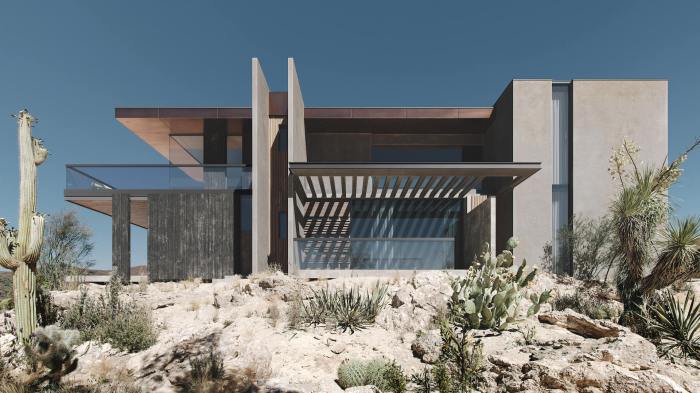
Architectural visualization plays a crucial role in various applications, ranging from urban planning and development projects to marketing and client presentations. With advancements in technology, virtual reality (VR) and augmented reality (AR) are also revolutionizing the way architectural designs are visualized and experienced.
Urban Planning and Development Projects
Architectural visualization is extensively used in urban planning and development projects to create realistic 3D models of proposed structures, landscapes, and entire urban areas. This allows urban planners, architects, and developers to visualize the impact of their designs on the environment, infrastructure, and community.
By providing a detailed and immersive representation of the project, stakeholders can make informed decisions regarding the layout, aesthetics, and functionality of the development.
Marketing and Client Presentations
In the realm of marketing and client presentations, architectural visualization serves as a powerful tool to showcase designs and concepts in a visually appealing and engaging manner. By creating photorealistic renderings, animations, and virtual tours, architects and designers can effectively communicate their vision to clients, investors, and the general public.
This helps in garnering interest, securing approvals, and ultimately bringing the project to life.
Virtual Reality and Augmented Reality Integration
The integration of virtual reality (VR) and augmented reality (AR) technologies has transformed architectural visualization practices by offering immersive and interactive experiences. VR allows users to explore architectural designs in a simulated environment, providing a sense of scale, depth, and spatial awareness that traditional 2D drawings cannot convey.
On the other hand, AR overlays digital information onto the real world, enabling architects and clients to visualize designs in real-time within the actual physical space. This not only enhances the design process but also facilitates better communication and collaboration among stakeholders.
Challenges and Trends in Architectural Visualization
Architectural visualization professionals face a range of challenges in their work, from achieving realism in their renderings to meeting tight project deadlines. At the same time, the field is constantly evolving with emerging trends that are reshaping how visualizations are created and presented.
Common Challenges in Architectural Visualization
- Creating realistic lighting and textures to accurately represent materials and environments.
- Managing large-scale projects with complex designs and multiple stakeholders.
- Balancing creativity and technical accuracy to meet client expectations.
- Optimizing workflow efficiency while maintaining high-quality output.
Emerging Trends in Architectural Visualization
- Real-time rendering technologies that allow for immediate feedback and interactive visualization.
- AI-driven tools for automating repetitive tasks and enhancing the creative process.
- Virtual reality (VR) and augmented reality (AR) applications for immersive client presentations.
Adapting to Changing Technologies and Client Expectations
- Integration of BIM (Building Information Modeling) data for more accurate and efficient visualizations.
- Utilizing cloud-based collaboration platforms for remote teamwork and client interactions.
- Exploring sustainable design and green technologies in architectural visualization projects.
Last Word
In conclusion, architectural visualization stands at the intersection of art and technology, pushing boundaries and redefining possibilities in the realm of design. As professionals adapt to evolving technologies and client needs, the future of architectural visualization promises endless creativity and innovation.
Expert Answers
How important is architectural visualization in the design process?
Architectural visualization plays a crucial role in helping designers and clients visualize designs before they are built, ensuring clarity and accuracy in the project.
What are some popular software tools used for creating architectural visualizations?
Popular software includes Autodesk 3ds Max, SketchUp, and Lumion, each offering unique features tailored to different visualization needs.
How is architectural visualization used in marketing and presenting designs to clients?
Architectural visualization helps create compelling presentations and marketing materials that showcase designs in a realistic and engaging manner, aiding in client decision-making.