Restaurant interior design plays a crucial role in shaping the overall dining experience, setting the stage for a memorable culinary journey. From the choice of lighting to the layout and color scheme, every element contributes to the ambiance and customer perception of a restaurant.
Let's delve into the world of restaurant interior design and uncover the key factors that make a dining space truly exceptional.
As we explore the impact of design on customer experience and discuss the latest trends and practical tips, readers will gain valuable insights into creating a cohesive and inviting restaurant environment.
Importance of Restaurant Interior Design
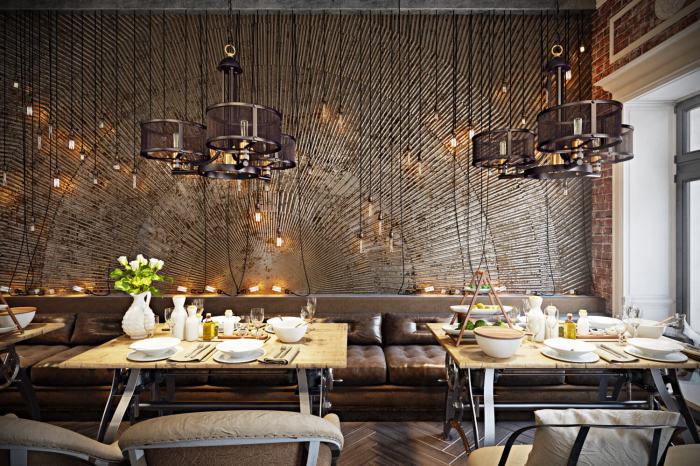
Interior design plays a crucial role in shaping the overall dining experience for customers. The ambiance, decor, and layout of a restaurant can greatly influence how patrons perceive the establishment and can ultimately impact their satisfaction levels.
Impact on Customer Perceptions
The interior design of a restaurant can set the tone for the entire dining experience. A well-designed space can make customers feel comfortable, relaxed, and welcomed, while a poorly designed one can leave them feeling uneasy or unimpressed. From the choice of colors and lighting to the furniture and decor, every element contributes to the overall atmosphere and can shape how customers view the quality of the food and service.
- For example, restaurants like The Rock in Zanzibar and Sketch in London are known for their exceptional interior design that complements their unique culinary offerings. The thoughtfully curated spaces not only enhance the dining experience but also create a lasting impression on customers.
- On the other hand, establishments with lackluster interior design may struggle to attract and retain customers, regardless of the quality of their menu. Customers today seek more than just good food; they want a memorable and enjoyable dining experience, which starts from the moment they step into the restaurant.
Elements of Effective Restaurant Interior Design
Effective restaurant interior design goes beyond just aesthetics; it plays a crucial role in creating a welcoming atmosphere and enhancing the overall dining experience for customers. Key elements such as lighting, furniture, color scheme, and layout can significantly impact the ambiance of a restaurant.
Lighting
Lighting sets the mood in a restaurant and can influence how customers perceive the space. The right lighting fixtures can create a warm and inviting atmosphere, while poor lighting choices can make the space feel dull or harsh. It's essential to strike a balance between natural and artificial lighting to achieve the desired ambiance.
Furniture
The choice of furniture should be both functional and stylish. Comfortable seating arrangements are crucial to ensure customers can relax and enjoy their meals. The furniture should also complement the overall theme of the restaurant and contribute to a cohesive design aesthetic.
Color Scheme
The color scheme of a restaurant can impact customers' emotions and behaviors. Warm tones like red and orange can create a cozy and intimate setting, while cool tones like blue and green can evoke a sense of calmness. It's important to choose colors that align with the restaurant's branding and overall theme.
Layout
The layout of a restaurant should facilitate smooth traffic flow and provide a comfortable dining experience. Different seating areas can cater to various customer preferences, such as intimate booths for couples or communal tables for larger groups. A well-thought-out layout can maximize space usage and enhance the overall functionality of the restaurant.
Choice of Materials
Selecting high-quality materials can enhance the aesthetic appeal of a restaurant and contribute to a more upscale vibe. From luxurious fabrics for upholstery to elegant finishes for tabletops, every material choice should align with the restaurant's theme and create a cohesive design scheme.
Creating a Cohesive Design
To create a cohesive design that aligns with the restaurant's theme or cuisine, it's essential to pay attention to every detail. From the decor elements to the table settings, every aspect of the interior design should work together harmoniously to create a memorable dining experience for customers.
Trends in Restaurant Interior Design
In the ever-evolving world of restaurant interior design, various trends come and go, shaping the way dining spaces are curated to enhance the overall dining experience. From sustainability to technological advancements, these trends play a significant role in creating unique and memorable spaces for patrons to enjoy.
Sustainability in Restaurant Design
One of the prominent trends in restaurant interior design is the focus on sustainability. Many restaurants are incorporating eco-friendly materials, energy-efficient lighting, and recycled decor elements to reduce their carbon footprint and appeal to the environmentally conscious diners.
Minimalism in Restaurant Design
Minimalism has been a popular trend in recent years, with restaurants opting for clean lines, neutral colors, and uncluttered spaces. This design approach creates a sense of calm and sophistication, allowing the focus to remain on the food and overall dining experience.
Biophilic Design in Restaurants
Biophilic design, which integrates natural elements into the restaurant space, has gained popularity for its ability to create a connection to nature and improve the well-being of guests. Living walls, indoor plants, and natural light are often used to bring the outdoors inside and enhance the ambiance of the dining area.
Role of Technology in Modern Restaurant Interiors
Technology plays a crucial role in modern restaurant interiors, with many establishments incorporating digital menus, interactive touchscreens, and smart lighting systems to enhance the dining experience. These technological advancements not only streamline operations but also provide a unique and interactive dining environment for guests.
Cultural Influence on Design Trends
Cultural factors play a significant role in shaping design trends in different regions. For example, restaurants in Asia may incorporate traditional elements like bamboo and paper lanterns, while those in Europe may focus on classic architectural styles and luxurious furnishings.
Understanding the cultural preferences of the target audience is essential in creating a welcoming and culturally relevant dining space.
Practical Tips for Designing a Restaurant Interior
When designing a restaurant interior, it is important to consider both aesthetics and functionality. Here are some practical tips to help you create a space that not only looks great but also works well for your staff and customers.
Creating a Functional Layout
One of the key aspects of restaurant interior design is creating a functional layout that optimizes space and workflow. Consider the flow of traffic in the restaurant, the placement of tables, and the location of key areas such as the kitchen and bar.
- Ensure there is enough space between tables for staff and customers to move around comfortably.
- Place high-demand items like drinks or condiments within easy reach of both staff and customers.
- Designate separate areas for different functions, such as dining, waiting, and bar areas, to create a sense of organization.
Balance Aesthetics with Practical Considerations
While aesthetics are important, it is also crucial to consider practical aspects like durability and maintenance when designing a restaurant interior.
- Choose materials that are not only visually appealing but also easy to clean and maintain.
- Opt for furniture and fixtures that are sturdy and can withstand the wear and tear of daily use.
- Consider the lighting design to create ambiance while ensuring there is enough light for staff to work efficiently.
Incorporating Branding Elements
Branding is an essential part of any restaurant's identity, and incorporating branding elements into the interior design can help reinforce your brand's image.
- Use colors, logos, and graphics that reflect your brand's identity and values.
- Integrate brand messaging subtly through artwork, signage, or even the menu design.
- Create a cohesive look that aligns with your brand's overall aesthetic to create a memorable dining experience for your customers.
Final Summary
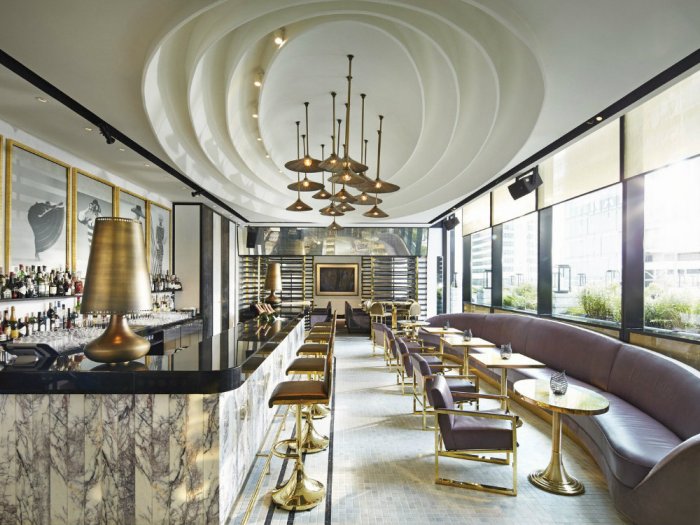
In conclusion, restaurant interior design is not just about aesthetics; it's about creating a space that reflects the essence of the cuisine and brand identity. By carefully considering elements like layout, materials, and branding, restaurateurs can elevate the dining experience and leave a lasting impression on their guests.
Cheers to designing spaces that are as memorable as the meals served within them.
FAQ Section
How does interior design impact the dining experience?
Interior design sets the tone for the overall ambiance of a restaurant, influencing how customers perceive the space and enhancing their dining experience.
What are some key elements of effective restaurant interior design?
Key elements include lighting, furniture, color scheme, and layout. These elements work together to create a cohesive design that aligns with the restaurant's theme and enhances its aesthetic appeal.
What are some current trends in restaurant interior design?
Current trends include sustainability, minimalism, and biophilic design. Technology also plays a significant role in modern restaurant interiors, while cultural factors influence design trends in different regions.
How can restaurateurs balance aesthetics with practical considerations in interior design?
Restaurateurs can balance aesthetics with practical considerations by creating a functional layout that optimizes space and workflow, choosing durable materials, and incorporating branding elements effectively.