Delving into Spanish interior design, this introduction immerses readers in a unique and compelling narrative. From the vibrant colors to the intricate details of wrought iron and the rich influence of Moorish architecture, Spanish interior design offers a blend of history, culture, and artistry that captivates the senses.
As we journey through the key elements, furniture styles, color palettes, and architectural features of Spanish design, prepare to be inspired by the warmth and elegance that define this distinctive aesthetic.
Spanish Interior Design Elements
Spanish interior design is characterized by a unique blend of elements that reflect the country's rich history and cultural influences. From vibrant colors to intricate details, Spanish interiors exude warmth and elegance.
Use of Vibrant Colors
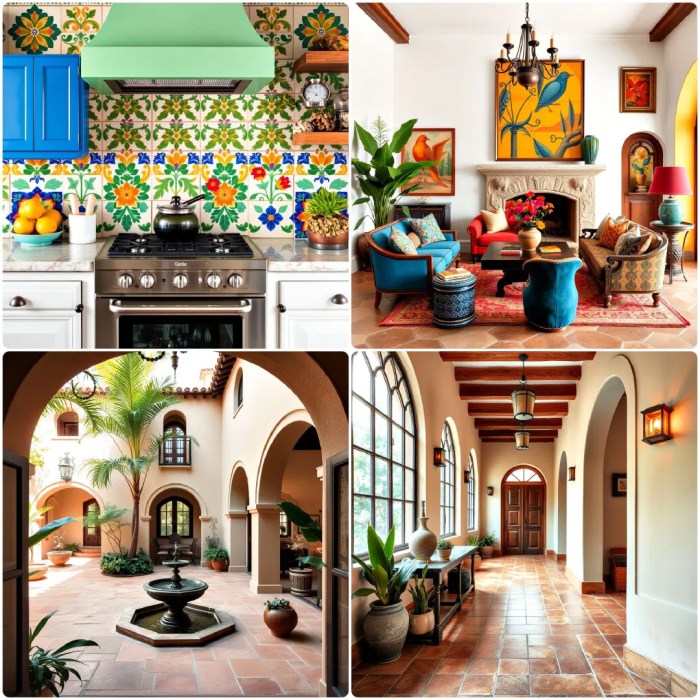
In Spanish interior design, vibrant colors play a crucial role in creating a lively and inviting atmosphere. Earthy tones like terracotta, deep blues, rich greens, and warm yellows are commonly used to add a touch of Mediterranean flair to the space.
These colors are often complemented by bold accents like reds and oranges, creating a vibrant and energetic ambiance.
Significance of Wrought Iron
Wrought iron is a key element in Spanish interior design, adding a touch of rustic charm and timeless elegance. From decorative pieces like chandeliers and wall sconces to intricate railings and furniture accents, wrought iron is used to enhance the overall aesthetic of the space.
Its durability and versatility make it a popular choice for adding a touch of old-world charm to modern interiors.
Influence of Moorish Architecture
The influence of Moorish architecture on Spanish interiors can be seen in the intricate tile work, arches, and geometric patterns that adorn many spaces. The use of colorful tiles, known as "azulejos," adds a touch of exoticism and sophistication to Spanish interiors.
The intricate detailing and arabesque motifs reflect the centuries-old influence of Moorish design on Spanish culture, creating a unique and captivating aesthetic.
Furniture and Decor
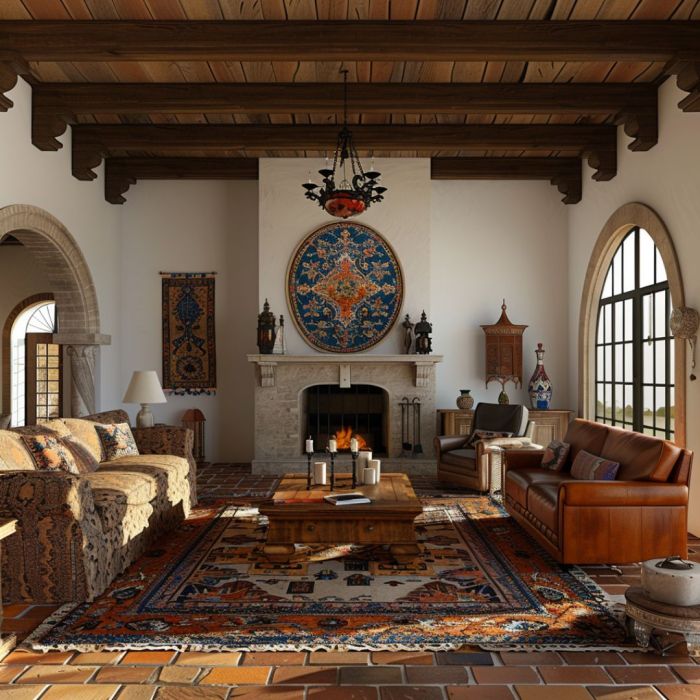
Spanish interior design is known for its unique furniture styles and decorative elements that add a touch of elegance and charm to any space.
Traditional Spanish Furniture Styles
Traditional Spanish furniture is often characterized by dark wood tones, intricate carvings, and ornate details. Pieces such as colonial-style chairs, wooden chests, and canopy beds are commonly used to create a warm and inviting atmosphere.
Decorative Ceramic Tiles
Decorative ceramic tiles, known as "azulejos," are a staple in Spanish interiors. These colorful tiles are often used to create intricate patterns on floors, walls, and even countertops, adding a pop of color and texture to the space.
Wooden Beams and Terracotta Flooring
Wooden beams on ceilings and terracotta flooring are essential elements of Spanish design. The use of these materials adds a rustic and earthy feel to the space, enhancing the overall warmth and coziness of the interior.
Ornate Mirrors and Tapestries
Ornate mirrors and tapestries are frequently used in Spanish decor to add a touch of luxury and sophistication. Mirrors with intricate frames and richly embroidered tapestries help to reflect light and create a sense of grandeur in the room.
Color Palette and Textures
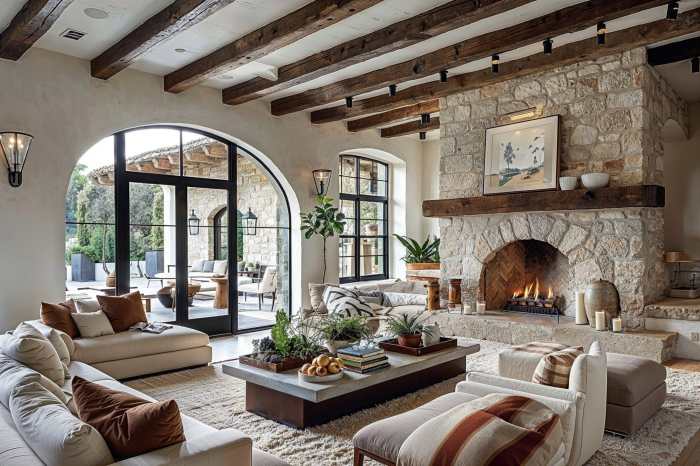
In Spanish interior design, the color palette and textures play a crucial role in creating a warm and inviting atmosphere that reflects the rich heritage and culture of Spain.
Typical Color Palette
In Spanish interior design, earthy tones such as terracotta, ochre, and olive green are commonly used to evoke the warmth of the Mediterranean sun. These colors are often complemented by vibrant accents like deep blues, rich reds, and golden yellows, inspired by the Spanish landscape and traditional tiles.
Importance of Texture
Texture is key in Spanish interior design as it adds depth and character to the space. Textures like rough-hewn wood, wrought iron, and hand-painted tiles create a sense of authenticity and history. Soft textiles such as plush rugs, embroidered fabrics, and leather upholstery add a touch of luxury and comfort.
Incorporation of Natural Materials
Spanish interior design emphasizes the use of natural materials like clay, wood, and stone to connect the indoor space with the outdoors. Terracotta tiles, exposed wooden beams, and stone walls are common elements that bring a rustic charm to Spanish interiors.
These materials also contribute to the overall warmth and coziness of the space.
Bold Patterns in Spanish Interiors
While Spanish interior design is known for its love of bold colors, it also embraces intricate patterns like geometric tiles, intricate ironwork, and colorful textiles. These patterns add visual interest and a sense of playfulness to the space, creating a lively and dynamic atmosphere that is uniquely Spanish.
Architectural Features
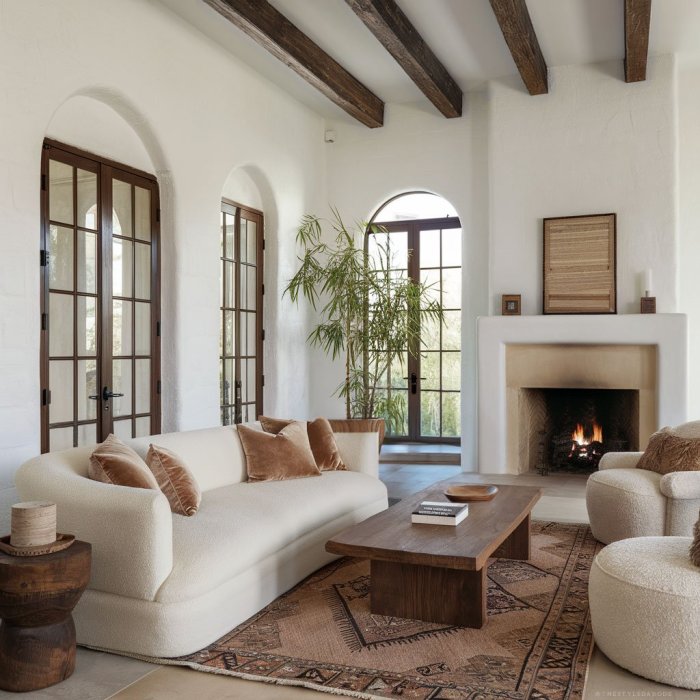
Spanish interior design is characterized by a variety of architectural features that contribute to its unique charm and elegance. These features often reflect the rich history and cultural influences of Spain, creating a warm and inviting atmosphere in homes.
Arched Doorways and Windows
Arched doorways and windows are a signature element of Spanish architecture, adding a sense of grandeur and sophistication to interior spaces. These architectural features not only provide visual interest but also promote a seamless flow between rooms, creating an open and airy feel.
The curved lines of arched doorways and windows often showcase intricate detailing and craftsmanship, enhancing the overall aesthetic of the space.
Courtyards and Patios
Courtyards and patios play a significant role in Spanish home design, serving as outdoor extensions of indoor living spaces. These open-air areas are often adorned with lush greenery, colorful tiles, and flowing fountains, creating tranquil retreats for relaxation and entertainment.
Courtyards and patios are seamlessly integrated into the overall layout of Spanish homes, blurring the lines between indoor and outdoor living.
Decorative Ironwork
Decorative ironwork is a prominent feature in Spanish interior design, adding a touch of old-world charm and elegance to homes. From ornate gates and railings to intricate light fixtures and furniture accents, decorative ironwork is used to embellish and enhance various elements of the interior space.
The intricate patterns and designs of ironwork often reflect traditional Spanish motifs and craftsmanship, infusing spaces with a sense of history and artistry.
Final Wrap-Up
In conclusion, Spanish interior design is a tapestry of tradition and innovation, where every element tells a story and every detail adds depth to a space. Whether you're drawn to the vivid hues, intricate patterns, or timeless architectural features, the allure of Spanish design is undeniable.
Embrace the spirit of Spain in your own home and let the beauty of this style transport you to a world of timeless elegance and charm.
Quick FAQs
What are the key elements that define Spanish interior design?
The key elements include the use of vibrant colors, wrought iron details, and influences from Moorish architecture.
How important is texture in creating a warm Spanish space?
Texture plays a crucial role in Spanish interior design, adding depth and inviting warmth to the overall aesthetic.
What are some common architectural features in Spanish interior design?
Common architectural features include arched doorways, windows, courtyards, patios, and decorative ironwork in gates and railings.