In today's competitive business landscape, the visual appeal of brochures plays a crucial role in capturing the attention of potential customers. A well-designed brochure can make a lasting impression and significantly impact the success of marketing campaigns. Let's delve into the world of brochure design and discover how it can elevate your brand's visibility and message.
As we explore the key elements, types, design tools, and trends in brochure design, you'll gain valuable insights into creating compelling marketing materials that resonate with your target audience.
Importance of Brochure Design
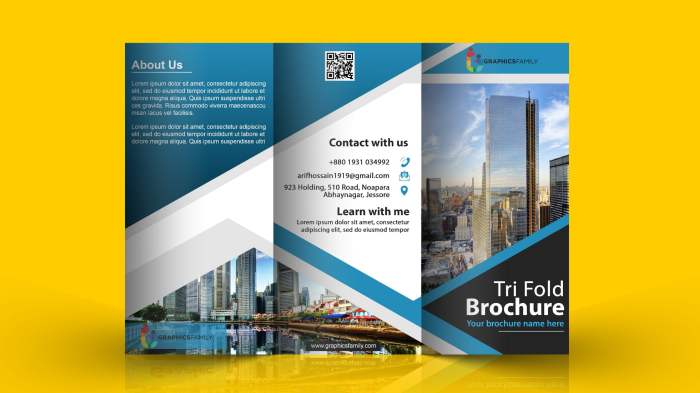
Brochures are an essential marketing tool that can capture the attention of potential customers and convey important information about a business or product. The design of a brochure plays a crucial role in attracting and engaging the target audience.
Visually Appealing Brochures
Visually appealing brochures with eye-catching graphics, colors, and fonts can leave a lasting impression on viewers. A well-designed brochure can make a business stand out from competitors and create a positive brand image.
Impact on Marketing Strategies
- Effective brochure design can enhance brand visibility and recognition.
- Brochures serve as a tangible marketing material that potential customers can hold and refer back to.
- Well-designed brochures can communicate key messages and benefits of products or services in a concise and engaging manner.
Successful Examples
- The Apple product brochures are known for their sleek design and minimalist approach, reflecting the brand's aesthetic and innovation.
- The Nike catalog showcases vibrant images of athletes and products, inspiring customers to lead an active lifestyle.
- The IKEA brochure effectively guides customers through the store layout and product offerings, making shopping easier and more enjoyable.
Elements of a Compelling Brochure
Creating a well-designed brochure involves incorporating key elements that capture the attention of the audience and effectively communicate the brand message. The layout, color schemes, typography, and imagery play crucial roles in engaging the readers and leaving a lasting impression.
Let's explore these elements in detail below.
Layout
The layout of a brochure should be visually appealing and easy to navigate. It should have a clear hierarchy of information, guiding the reader from one section to another seamlessly. Utilize grids and columns to organize content effectively, ensuring a balance between text and visuals.
Color Schemes
Choosing the right color scheme is vital in setting the tone and mood of the brochure. Colors evoke emotions and can influence how the brand is perceived. Use a harmonious color palette that aligns with the brand identity and conveys the desired message.
Consistency in color usage across the brochure enhances brand recognition.
Typography
Typography plays a significant role in guiding the reader through the content. Select fonts that are easy to read and complement the overall design aesthetic. Use different font styles and sizes to create hierarchy and emphasis. Ensure sufficient contrast between text and background for readability.
Imagery
Images and graphics bring life to a brochure, making it visually appealing and engaging. High-quality photos and illustrations relevant to the content help in conveying the brand story effectively. Use visuals strategically to break up text, highlight key points, and create visual interest.
Tips for Cohesive Design
- Maintain consistency in design elements throughout the brochure.
- Keep the messaging clear and concise to avoid clutter.
- Use white space effectively to enhance readability and visual appeal.
- Ensure the branding elements are prominent and consistent with other marketing materials.
- Test the layout and design with a focus group to gather feedback for improvements.
- Seek professional help if needed to achieve a polished and professional look.
Types of Brochures
When it comes to brochure design, there are several types to choose from, each with its own unique features and benefits. Let's explore some of the most common types of brochures and their respective advantages and disadvantages.
Bi-Fold Brochure
A bi-fold brochure is folded in half, creating four panelstwo on each side. This type of brochure is simple and cost-effective, making it ideal for businesses looking to convey a moderate amount of information in a compact format. Bi-fold brochures are commonly used in industries such as retail, real estate, and hospitality.
Tri-Fold Brochure
The tri-fold brochure is folded into three sections, with six panelsthree on each side. This type of brochure allows for more content and design flexibility than a bi-fold, making it suitable for businesses that need to communicate more detailed information.
Tri-fold brochures are often used by educational institutions, healthcare providers, and travel agencies
Gatefold Brochure
A gatefold brochure features two parallel folds that open like a gate to reveal the interior panels. This type of brochure creates a dramatic and visually appealing presentation, making it perfect for businesses that want to make a strong impression.
Gatefold brochures are commonly used in industries such as luxury goods, event planning, and high-end services.
Z-Fold Brochure
The Z-fold brochure is folded into a 'Z' shape, with three panels on each side. This type of brochure allows for a creative layout and can be used to tell a story or guide the reader through a sequence of information.
Z-fold brochures are popular in industries like tourism, entertainment, and non-profit organizations.
Accordion Fold Brochure
An accordion fold brochure folds in a zig-zag pattern, creating multiple panels that fold out like an accordion. This type of brochure is versatile and can accommodate a lot of content while still maintaining a compact size. Accordion fold brochures are often used by art galleries, museums, and cultural institutions.Each type of brochure has its own strengths and weaknesses, so it's important to consider your specific goals and target audience when choosing the right format for your marketing materials.
Design Tools and Software for Brochures
When it comes to creating stunning brochures, having the right design tools and software is essential. These tools offer a wide range of features and capabilities that can help bring your brochure design to life. Below are some popular design tools and software used for creating brochures:
Adobe InDesign
Adobe InDesign is a professional desktop publishing software that is widely used for designing brochures. It offers a variety of layout tools, typography features, and image editing capabilities that make it ideal for creating visually appealing brochures.
Canva
Canva is a user-friendly online design tool that is perfect for beginners or those with limited design experience. It offers a wide range of templates, graphics, and fonts that can help you create a professional-looking brochure in no time.
Microsoft Publisher
Microsoft Publisher is another popular desktop publishing software that is commonly used for brochure design. It offers a range of pre-designed templates and tools that make it easy to create personalized brochures.
Tips for Choosing the Right Design Tool/Software
- Consider your skill level: Choose a tool that matches your design skills. Beginners may find Canva or Microsoft Publisher more user-friendly, while advanced users may prefer Adobe InDesign.
- Project requirements: Consider the complexity of your brochure design. If you need advanced layout and typography features, Adobe InDesign would be a better choice. For simple designs, Canva or Microsoft Publisher may suffice.
- Cost: Some design tools like Canva offer free versions with limited features, while Adobe InDesign requires a subscription. Consider your budget when choosing a design tool.
Brochure Design Trends
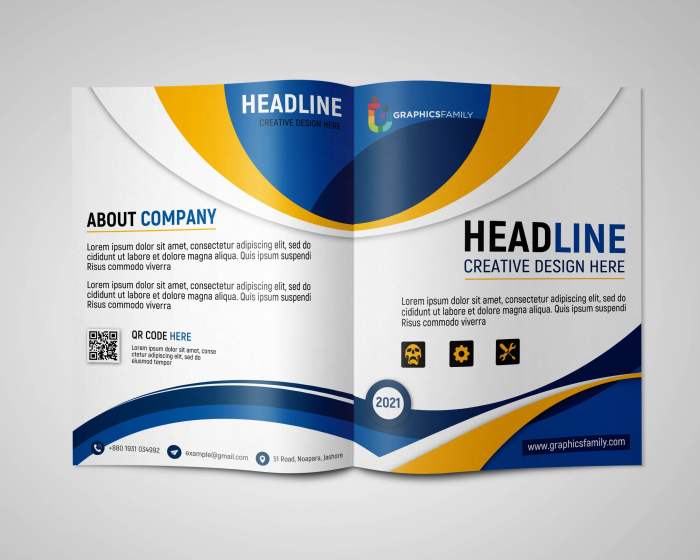
In the fast-paced world of design, staying up-to-date with the latest trends is crucial for creating impactful brochures that capture attention and leave a lasting impression on the audience. Let's explore some of the current trends in brochure design and how businesses can incorporate them to create visually stunning and effective marketing materials.
Minimalism
Minimalism continues to be a popular trend in brochure design, focusing on simplicity, clean layouts, and minimal distractions. Businesses can incorporate this trend by using ample white space, limiting text to essential information, and using simple yet elegant design elements.
Bold Typography
Bold typography is another trend that can make a brochure stand out. Using large, eye-catching fonts for headlines and key messages can draw attention and create visual interest. Companies can experiment with different font styles, sizes, and colors to create a unique and impactful design.
Vibrant Colors
Utilizing vibrant colors in brochure design can help create a lively and engaging look. Businesses can choose a color palette that aligns with their brand identity and evokes the desired emotions in their target audience. Bold and contrasting colors can be used to highlight important information and create visual hierarchy.
Examples of Companies
- Apple: Known for its sleek and minimalist design aesthetic, Apple's brochures often feature clean layouts, simple typography, and high-quality imagery that aligns with their brand image.
- Nike: Nike's brochures often incorporate bold typography and vibrant colors that reflect the energy and dynamism of their brand, creating a visually impactful and memorable design.
- Google: Google's brochures are known for their clean and modern design, often using a minimalist approach with pops of vibrant colors to create a fresh and engaging look.
Final Wrap-Up
From understanding the importance of layout and color schemes to embracing cutting-edge design trends, mastering the art of brochure design can set your business apart from the competition. Elevate your marketing efforts and leave a lasting impression with expertly crafted brochures that speak volumes about your brand and offerings.
FAQs
What role does brochure design play in marketing strategies?
Brochure design serves as a powerful visual tool that communicates brand messages effectively, attracts attention, and enhances brand visibility in the market.
What are the key elements of a well-designed brochure?
Key elements include layout, color schemes, typography, imagery, and content organization that work together to create a cohesive and engaging design.
How can businesses incorporate current design trends into their brochures?
Businesses can adopt trends like minimalism, bold typography, and vibrant colors by updating their design elements to stay relevant and appealing to modern audiences.