Delving into the realm of damaged siding, we uncover the various factors that contribute to its deterioration, the types of damage it can sustain, methods for inspection and detection, as well as strategies for repair and maintenance. Join us on this insightful journey to better understand the world of damaged siding.
Causes of Damaged Siding
Damaged siding can be attributed to various factors that affect its structural integrity and appearance. Understanding these causes is crucial in preventing and addressing issues with siding.Weather Conditions:Exposure to harsh weather elements such as extreme heat, heavy rain, snow, and strong winds can take a toll on siding.
Over time, constant exposure can lead to warping, fading, cracking, or loosening of siding panels.Poor Installation Practices:Improper installation of siding can result in gaps, buckling, or uneven alignment. When siding is not installed correctly, it is more prone to damage from moisture infiltration, pests, and other external factors.Age and Wear-and-Tear:As siding ages, it naturally loses its strength and resilience.
Normal wear-and-tear from everyday use, as well as exposure to UV rays and environmental pollutants, can cause siding to deteriorate over time. This can result in chipping, peeling, or discoloration of the siding material.
Impact of Weather Conditions
Weather conditions play a significant role in the maintenance of siding. Here are some ways in which different weather elements can impact the condition of siding:
- Extreme Heat: Prolonged exposure to high temperatures can cause siding to expand and contract, leading to cracks or warping.
- Heavy Rain: Excessive moisture can seep into the siding material, causing it to rot or develop mold and mildew.
- Snow and Ice: Freeze-thaw cycles can weaken siding, leading to damage such as cracking or loosening of panels.
- Strong Winds: Intense wind gusts can potentially rip off siding panels or cause them to become loose.
Types of Siding Damage
Damage to siding can come in various forms, each with its own set of visible signs and implications. Moisture is a common culprit that can lead to different types of siding damage, ranging from minor issues to severe structural problems.
Cracking
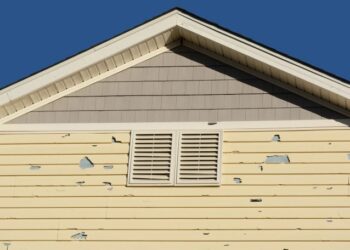
Cracking is a common type of siding damage that can occur due to age, impact, or extreme weather conditions. This can manifest as small hairline cracks or larger fractures along the surface of the siding.
Warping
Warping happens when the siding material becomes distorted or bent out of shape. This can be caused by prolonged exposure to sunlight, moisture, or improper installation.
Mold and Mildew Growth
Moisture trapped beneath or within the siding can lead to the growth of mold and mildew. This can appear as dark spots, discoloration, or fuzzy patches on the surface of the siding.
Rotting
Rotting occurs when moisture infiltrates the siding material, causing it to decay and deteriorate. This can weaken the structural integrity of the siding and pose a risk of further damage if left untreated.
Fading
Fading is a cosmetic type of damage that occurs when the color of the siding starts to diminish or change over time due to sun exposure. This can make the siding appear dull or discolored.
Peeling or Bubbling
Peeling or bubbling can happen when the adhesive bond between the siding layers weakens, causing the outer layer to separate or bubble up. This can be a sign of moisture damage or poor installation.
Differences Between Minor and Severe Damage
Minor siding damage may involve small cracks, discoloration, or minor warping that can be easily repaired. Severe damage, on the other hand, may include extensive rotting, large fractures, or widespread mold growth that requires professional intervention to address and prevent further issues.
Inspection and Detection of Damaged Siding
Regular inspections of your siding are essential to maintain the integrity and appearance of your home. By detecting damage early, you can prevent more extensive issues down the line. Here are some steps and tools used to inspect and detect damaged siding:
Steps to Inspect Siding for Potential Damage:
- Start by visually inspecting the exterior of your home for any signs of damage such as cracks, warping, or discoloration.
- Check for any areas where the siding may be loose or pulling away from the structure.
- Use a ladder to get a closer look at higher sections of siding that may be difficult to see from the ground.
Tools and Techniques Used to Detect Hidden Siding Damage:
- Utilize a moisture meter to detect any water damage that may be affecting the siding underneath the surface.
- Tapping on the siding can help identify areas that sound hollow, indicating possible rot or decay.
- A professional thermal imaging camera can reveal temperature variations that may signal underlying issues with the siding.
Importance of Regular Inspections for Maintaining Siding:
Regular inspections allow you to catch damage early on, preventing costly repairs and ensuring the longevity of your siding. By staying proactive, you can address issues promptly and maintain the curb appeal of your home.
Role of Professionals in Identifying Damaged Siding:
Professionals have the expertise and tools to conduct thorough inspections of your siding. They can identify hidden damage that may not be visible to the untrained eye and provide recommendations for repair or replacement. Hiring a professional for regular inspections can give you peace of mind knowing that your siding is in good condition.
Repair and Maintenance Strategies
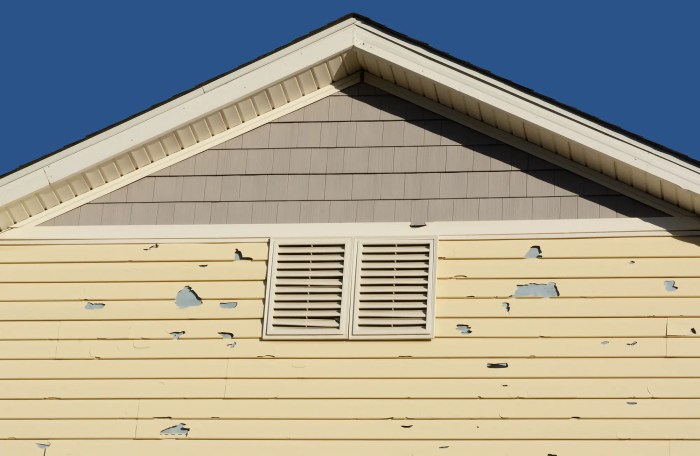
When it comes to repairing and maintaining damaged siding, there are several strategies that can be implemented to ensure the longevity and aesthetic appeal of your home's exterior.
DIY Methods for Repairing Minor Siding Damage
For minor siding damage such as small cracks or chipped paint, homeowners can opt for DIY repair methods to save on costs and time. Some common DIY solutions include:
- Using caulk or sealant to fill in cracks and prevent moisture infiltration.
- Repainting or touching up paint on damaged areas to restore the appearance of the siding.
- Replacing individual siding pieces that are severely damaged or broken.
When to Hire a Professional for Siding Repairs
While DIY methods can be effective for minor repairs, there are instances where it is necessary to hire a professional for siding repairs. It is advisable to seek professional help in the following situations:
- Extensive damage that requires a full siding replacement or major repairs.
- Structural issues that need to be addressed to ensure the safety and stability of the siding.
- Complex repairs that may involve specialized tools or expertise beyond DIY capabilities.
Steps Involved in Replacing Damaged Siding Panels
When replacing damaged siding panels, it is essential to follow a systematic approach to ensure a proper and seamless installation. The steps involved in replacing damaged siding panels include:
- Remove the damaged siding panels carefully without causing further damage to the surrounding areas.
- Inspect the underlying structure for any signs of damage or deterioration that may need to be addressed.
- Prepare the area for the new siding installation by ensuring it is clean, level, and free of any obstructions.
- Install the new siding panels according to the manufacturer's guidelines, making sure to secure them properly for durability.
- Finish the installation by sealing joints and edges to prevent moisture intrusion and ensure a waterproof seal.
Tips for Maintaining Siding to Prevent Future Damage
Regular maintenance of your home's siding is crucial to prevent future damage and prolong its lifespan. Some tips for maintaining siding include:
- Inspecting the siding regularly for signs of damage, such as cracks, warping, or discoloration.
- Cleaning the siding periodically to remove dirt, debris, and mold that can cause deterioration over time.
- Trimming trees and bushes near the siding to prevent branches from causing scratches or damage during windy conditions.
- Applying a protective sealant or paint coating to the siding to enhance its durability and weather resistance.
Last Point
As we conclude our exploration of damaged siding, we have gained valuable insights into its causes, types of damage, inspection techniques, and repair strategies. By staying informed and proactive, we can effectively address any issues that may arise with our siding, ensuring its longevity and structural integrity.
Clarifying Questions
What are the common causes of damaged siding?
Common causes include weather conditions, poor installation practices, age, and wear-and-tear.
How can moisture impact siding damage?
Moisture can lead to various forms of siding damage such as rot, mold, and warping.
When should I hire a professional for siding repairs?
If the damage is severe or extensive, it's best to hire a professional for repairs to ensure proper restoration.
What are some DIY methods for repairing minor siding damage?
DIY methods include patching small holes, painting over minor cracks, and replacing individual damaged panels.
Why is regular inspection important for maintaining siding?
Regular inspections help detect damage early, allowing for timely repairs and preventing further deterioration.