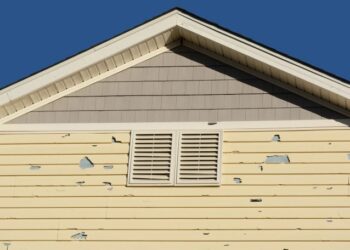
Exploring the world of house siding installation near me, this introduction sets the stage for a deep dive into the intricacies of choosing the right siding for your home. With a blend of informative insights and practical advice, readers are sure to find valuable information within these pages.
Detailing the different types of materials, factors to consider, finding local services, the installation process, and maintenance tips, this guide covers all aspects of house siding installation near me.
Types of House Siding
When it comes to choosing the right house siding for your home, there are several options available, each with its own set of advantages and disadvantages. Here are some common types of house siding materials used for installation:
Vinyl Siding
Vinyl siding is a popular choice due to its affordability and low maintenance requirements. It comes in a variety of colors and styles, making it versatile for different home designs. However, vinyl siding may crack or fade over time, and it is not as durable as some other materials.
Fiber Cement Siding
Fiber cement siding is known for its durability and resistance to fire, insects, and rot. It can mimic the look of wood or stucco without the high maintenance costs. On the downside, fiber cement siding can be more expensive than other options and may require professional installation.
Wood Siding
Wood siding provides a natural and timeless look to a home. It can be painted or stained in various colors to match your aesthetic preferences. However, wood siding requires regular maintenance such as painting, staining, and sealing to prevent rot, pests, and weather damage.
Aluminum Siding
Aluminum siding is lightweight, durable, and resistant to fire and insects. It is also easy to install and comes in a wide range of colors. On the flip side, aluminum siding can dent easily and may require repainting over time to maintain its appearance.
Brick Siding
Brick siding offers a classic and elegant look to a home. It is extremely durable, fire-resistant, and requires minimal maintenance. However, brick siding can be costly to install and may not be suitable for all architectural styles.Each type of house siding has its own unique characteristics, so it's important to consider factors such as cost, durability, maintenance requirements, and aesthetic appeal when choosing the right siding material for your home.
Factors to Consider
When choosing a house siding material, there are several important factors that homeowners should consider to ensure they make the best decision for their home. Factors such as climate, location, budget, and long-term maintenance costs can all play a significant role in determining the most suitable siding option.
Climate and Location Impact
The climate and location of your home are crucial factors to consider when selecting a siding material. Different materials have varying levels of durability and resistance to elements such as rain, snow, wind, and sunlight. For example, in areas with high humidity or extreme temperature fluctuations, materials like vinyl or fiber cement may be more suitable due to their resistance to moisture and thermal expansion.
On the other hand, in regions prone to wildfires, materials like fiber cement or metal siding may offer better fire resistance.
Budget and Long-term Maintenance Costs
Budget is another key consideration when choosing house siding. Different materials come with varying price points, installation costs, and long-term maintenance requirements. While options like vinyl siding are generally more affordable upfront, they may require more frequent maintenance and replacement compared to higher-end materials like wood or fiber cement.
It's essential to weigh the initial cost against the long-term maintenance expenses to determine the most cost-effective solution for your home.
Finding Local Installation Services
Finding a reputable house siding installation company near your location is crucial for ensuring a successful project. Here are some tips on how to find the right contractor:
Checking Reviews and References
When selecting a contractor for your house siding installation, it is essential to check reviews and references. This will give you insight into the quality of their work and the satisfaction level of their previous clients. Look for reviews on trusted websites and ask the company for references that you can contact directly.
Obtaining Multiple Quotes for Comparison
Before making a decision, it is important to obtain multiple quotes from different installation companies. This will help you compare prices, services offered, and the overall value of each contractor. Avoid selecting the first quote you receive and take the time to evaluate all your options to make an informed decision.
Installation Process
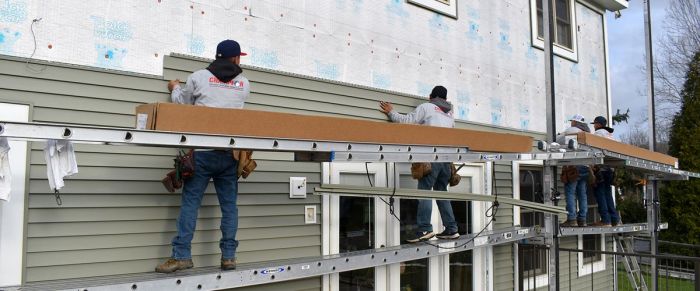
When it comes to house siding installation, there are several general steps involved in the process. It is important to understand the preparation work needed before installing new siding and be aware of common challenges that may arise during the installation process.
Preparation Work
Before installing new siding, it is crucial to prepare the exterior of the house properly. This may include:
- Cleaning the existing siding or wall surface to ensure a smooth and clean base for the new siding to adhere to.
- Inspecting for any damage or rot on the walls and repairing or replacing any affected areas.
- Applying a weather-resistant barrier or house wrap to protect the interior of the house from moisture.
- Measuring and cutting the new siding materials to fit the dimensions of the house accurately.
Common Challenges and Solutions
During the installation process, some common challenges that may arise include:
- Uneven walls or surfaces can make it difficult to install siding properly. This can be addressed by using shims or furring strips to create a level base.
- Improper installation of flashing or trim can lead to water infiltration and damage. It is important to follow manufacturer guidelines and best practices for flashing installation.
- Dealing with obstacles such as windows, doors, or corners can require careful cutting and fitting of siding pieces to ensure a seamless finish.
- Weather conditions such as rain or extreme heat can impact the installation process. It is advisable to schedule the installation during favorable weather conditions and take necessary precautions to protect the materials.
Maintenance and Care
Proper maintenance and care are essential to ensure the longevity and aesthetic appeal of your house siding. By following these guidelines, you can protect your investment and keep your home looking great for years to come.
Regular Inspections and Repairs
Regular inspections are key to identifying any issues with your siding before they escalate into larger problems. Make sure to inspect your siding at least once a year for any signs of damage, such as cracks, warping, or discoloration. Promptly address any issues to prevent further damage and extend the lifespan of your siding.
Cleaning and Protection
- Regularly clean your siding with a mixture of mild soap and water to remove dirt, grime, and mildew buildup. Avoid using harsh chemicals or abrasive materials that could damage the siding's surface.
- Consider applying a protective coating or sealant to your siding to help repel water, prevent fading, and resist mold growth. Consult with a professional to determine the best product for your specific siding material.
- Trim any trees or bushes near your home to prevent branches from scratching or damaging the siding. Additionally, ensure proper drainage around your home to prevent water from pooling near the foundation and causing moisture damage to the siding.
Outcome Summary
In conclusion, house siding installation near me is a crucial decision for homeowners looking to enhance the aesthetics and functionality of their homes. By following the guidelines and tips provided in this guide, you can make informed choices and ensure a successful siding installation project.
Top FAQs
What are the most common types of house siding materials?
Answer: The most common types include vinyl, wood, fiber cement, and metal siding.
How does climate impact the choice of siding material?
Answer: Climate affects the durability and maintenance requirements of siding materials, with some being better suited for specific weather conditions.
Why is it important to obtain multiple quotes before selecting a contractor?
Answer: Getting multiple quotes allows homeowners to compare prices, services, and quality before making a decision, ensuring they get the best value for their money.
How often should house siding be inspected for maintenance?
Answer: It is recommended to inspect house siding at least once a year to identify any damage or issues early on and prevent costly repairs down the line.
What are some common challenges during the installation process of house siding?
Answer: Common challenges include improper installation, weather conditions, and structural issues, which can be addressed by hiring experienced professionals and proper planning.