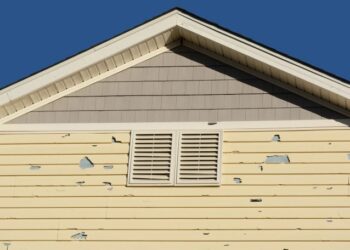
Embarking on the journey of painting metal siding on your house opens up a world of possibilities to enhance its curb appeal and protect it from the elements. From selecting the right paint to mastering application techniques, this guide will walk you through the essential steps to achieve a flawless finish.
As you delve deeper into the intricacies of painting metal siding, you'll uncover valuable insights and expert tips that will elevate your home improvement project to new heights.
Preparation for Painting Metal Siding
Before painting metal siding on a house, it is crucial to properly prepare the surface for the best results.
Necessary Tools and Materials:
- Pressure washer or hose
- Bucket
- All-purpose cleaner or detergent
- Scrub brush or sponge
- Primer suitable for metal surfaces
- Exterior metal paint
- Paintbrushes or rollers
- Painter's tape
- Drop cloths or plastic sheeting
- Safety goggles and gloves
Importance of Cleaning and Prepping:
Properly cleaning and prepping the metal surface is essential to ensure that the paint adheres well and provides long-lasting protection for the siding.
Failure to clean and prep the surface can result in peeling, bubbling, or chipping of the paint.
Steps for Preparing Metal Siding:
- Start by cleaning the metal siding with a pressure washer or hose to remove any dirt, dust, and debris.
- Mix an all-purpose cleaner or detergent with water in a bucket and scrub the siding using a brush or sponge to eliminate any grime or grease.
- Rinse the siding thoroughly and allow it to dry completely before proceeding.
- Apply a primer specifically designed for metal surfaces to ensure proper adhesion of the paint and enhance durability.
- Once the primer is dry, you can start painting the metal siding with exterior metal paint using a brush or roller for even coverage.
- Use painter's tape to protect areas you don't want to paint and cover the surrounding areas with drop cloths or plastic sheeting to prevent any accidental spills or splatters.
- Allow the paint to dry completely between coats as per the manufacturer's instructions to achieve a smooth and uniform finish.
Choosing the Right Paint
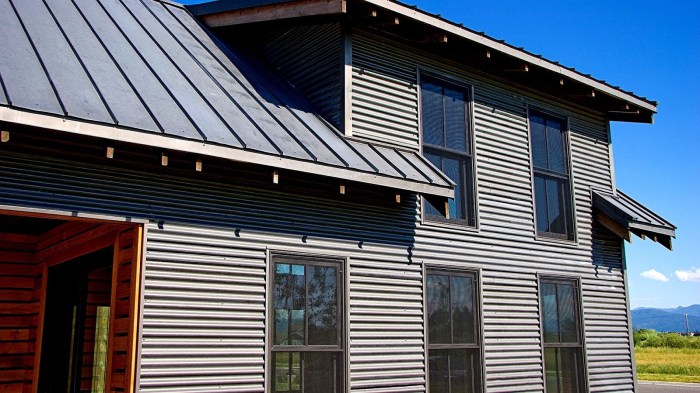
When it comes to painting metal siding, selecting the right paint is crucial for achieving a durable and visually appealing finish.
Types of Paint Suitable for Metal Siding
- Acrylic Latex Paint: This type of paint is known for its durability, flexibility, and resistance to fading. It is a popular choice for metal siding due to its ability to expand and contract with temperature changes.
- Oil-Based Paint: Oil-based paints provide a tough and protective coating for metal surfaces. They are excellent for high-traffic areas and offer superior adhesion.
- Direct-to-Metal Paint: Specifically formulated for metal surfaces, direct-to-metal paints provide excellent corrosion resistance and adhesion. They are designed to withstand harsh weather conditions.
Comparison of Paint Finishes
When choosing a paint finish for metal siding, consider the following options:
- Gloss Finish: Offers a shiny and reflective surface, ideal for highlighting architectural details. It is easy to clean but may show imperfections more prominently.
- Satin Finish: Provides a smooth, velvety look that strikes a balance between gloss and matte finishes. It is durable and resistant to dirt and mildew.
- Matte Finish: Has a flat, non-reflective appearance that can help conceal surface imperfections. It offers a modern and understated look.
For metal siding, a satin finish is often recommended as it combines durability with a subtle sheen that enhances the overall aesthetics of the house.
Tips for Selecting Paint Colors
- Consider the architectural style of your home and existing color scheme when choosing a paint color for metal siding.
- Take into account the surroundings and landscaping to ensure the paint color complements the overall curb appeal.
- Test paint samples on a small section of the metal siding to see how the color appears in different lighting conditions before making a final decision.
Application Techniques
When it comes to painting metal siding, the application technique plays a crucial role in achieving a smooth and long-lasting finish. Here, we will discuss the best methods for applying paint to metal siding, the importance of primer, and tips for achieving a professional-looking result.
Best Methods for Applying Paint
- Brush: Using a high-quality brush can be effective for smaller areas or detailed work on metal siding. Ensure the brush strokes are smooth and even for a professional finish.
- Roller: A paint roller can cover larger surface areas quickly and efficiently. Opt for a roller with a medium nap to ensure even coverage on metal siding.
- Spray: Using a paint sprayer can provide a fast and uniform coat of paint on metal siding. Make sure to follow the manufacturer's instructions for the best results.
Importance of Primer and Application
Primer is essential when painting metal surfaces as it helps the paint adhere better and provides added protection against rust and corrosion. Here's how to correctly apply primer on metal siding:
- Clean the surface thoroughly to remove any dirt, rust, or old paint.
- Apply a coat of high-quality metal primer using a brush, roller, or sprayer, depending on the size of the area.
- Allow the primer to dry completely before applying the paint to ensure proper adhesion and durability.
Tips for a Smooth and Even Finish
- Avoid painting in direct sunlight or extreme temperatures to prevent the paint from drying too quickly.
- Work in small sections to maintain a wet edge and prevent lap marks.
- Apply multiple thin coats of paint rather than one thick coat for a more even and durable finish.
- Use high-quality paint and tools for better coverage and longevity of the paint job on metal siding.
Maintenance and Care
Proper maintenance and care are essential to ensure the longevity of painted metal siding on your house.
Recommended Maintenance Schedule
- Inspect the painted metal siding annually for any signs of damage, such as chipping or peeling paint.
- Touch up any small areas of damage with matching paint as soon as they are identified to prevent further deterioration.
- Consider a full repainting every 5-10 years, depending on the wear and tear the siding is subjected to.
Cleaning Painted Metal Siding
Regular cleaning of painted metal siding is important to maintain its appearance and protect the paint.
- Use a mixture of mild soap and water to clean the siding, avoiding harsh chemicals that may damage the paint.
- Rinse the siding thoroughly with clean water after cleaning to remove any soap residue.
- Consider using a pressure washer on a low setting for tougher stains, but be cautious not to damage the paint or siding.
Potential Issues and Solutions
There are some common issues that may arise with painted metal siding, but they can be addressed with proper care.
- Rust:If rust starts to form on the metal siding, it should be addressed immediately by sanding down the affected area, applying a rust-inhibiting primer, and repainting.
- Chipping or Peeling Paint:Touch up any chipped or peeling areas with matching paint to prevent further damage and maintain the integrity of the siding.
- Fading:Over time, the paint on metal siding may fade due to exposure to the elements. Consider repainting the siding with UV-resistant paint to prolong its lifespan.
Final Conclusion
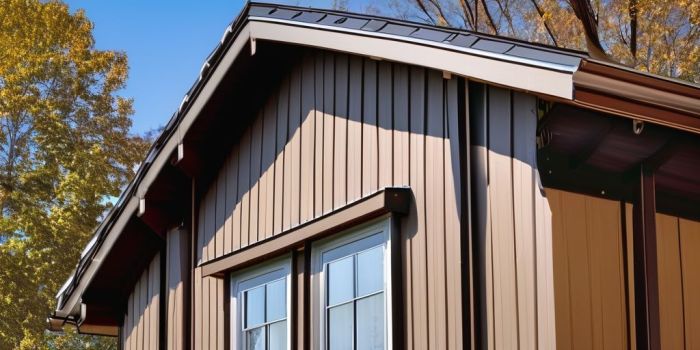
In conclusion, painting metal siding on your house is not just about adding a fresh coat of paint. It's a transformative process that can breathe new life into your home while ensuring its longevity and resilience. By following the guidelines Artikeld in this comprehensive guide, you'll be well-equipped to tackle this project with confidence and achieve stunning results that will stand the test of time.
FAQ Overview
What tools and materials are needed for painting metal siding on a house?
Common tools include paintbrushes, rollers, sandpaper, and a power washer. Materials needed are metal primer, paint, and protective gear.
How often should painted metal siding be maintained?
It is recommended to inspect and touch up any chipped or peeling paint annually and thoroughly clean the siding every 1-2 years.
What are the best application techniques for painting metal siding?
Using a paint sprayer can provide a smooth and even finish, but brushes and rollers are also suitable for smaller areas. Make sure to apply primer before painting.